Replanting After Tree Removal in Garner NC | 2026 Costs
Garner Tree Removal • August 29, 2026 • 6 min read
The Hole Nobody Plans For
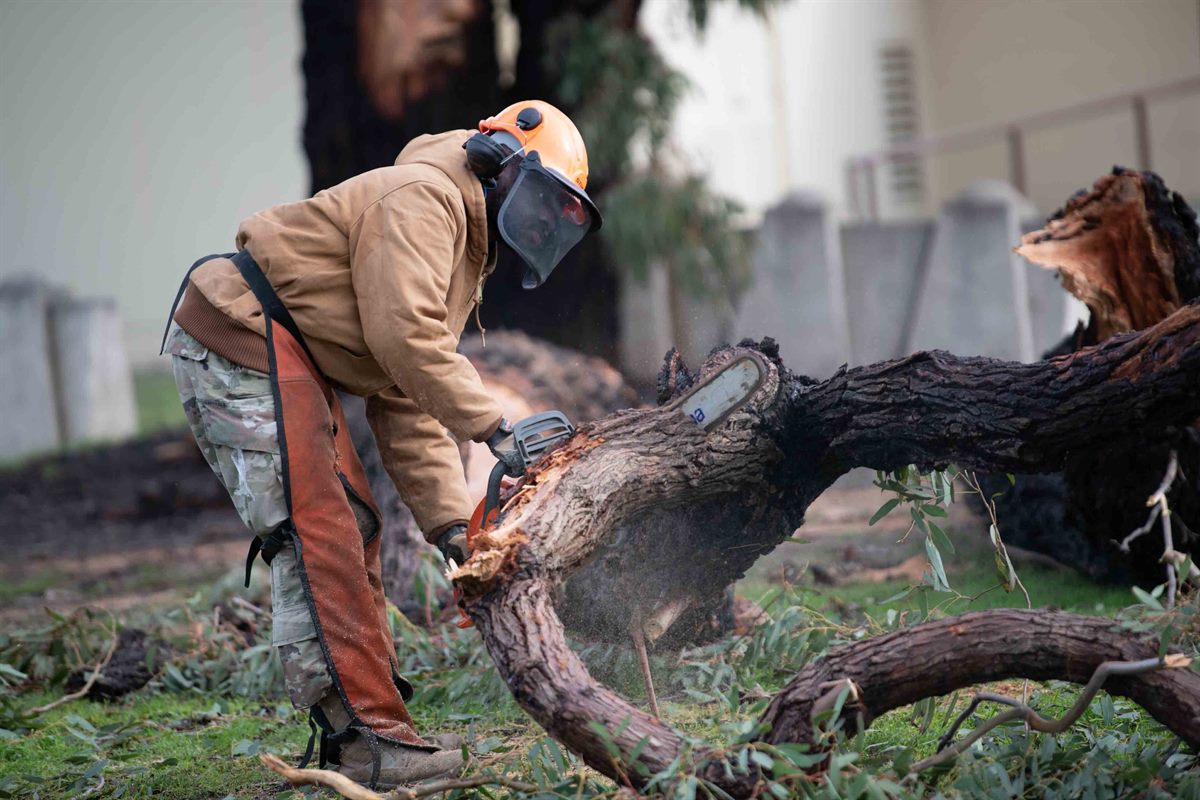
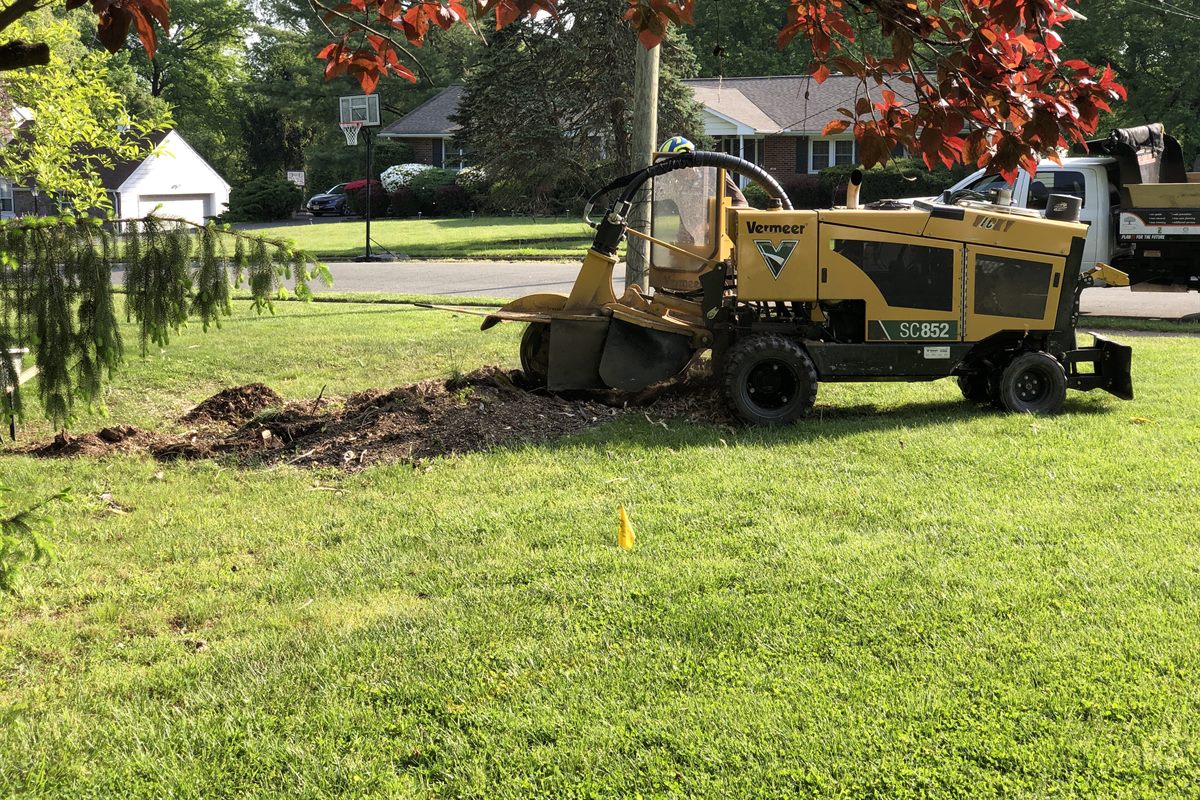
You’ve made the decision. That oak that shaded your driveway for thirty years is gone: removed, chipped, and hauled away, with the stump ground below grade. The tree service pulled out this morning, and you’re left staring at the gap in your landscape.
Here’s what most homeowners in Garner don’t realize until they’re standing in that bare spot: the real work hasn’t started yet.
Yanking out a tree leaves behind a mess that isn’t just cosmetic. The soil is compacted hard as concrete from equipment that weighed thousands of pounds. The remaining dirt is depleted of the nutrients that kept the old tree alive. The grade might be uneven. And if you just drop a sapling into this dead zone and cross your fingers, you’re burning money on something that will struggle, decline, and possibly die within two seasons.
This is where most DIY replanting fails. This is also where understanding your actual costs, from soil prep through the first year of care, makes the difference between a new tree that thrives and a replanting project that becomes your worst landscaping regret.
What Happens to Soil After Tree Removal
When a tree is pulled from the ground, the root system that once held the soil structure is gone. The heavy equipment rumbles over the exposed area. What’s left is compacted, oxygen-starved earth with almost no organic matter.
In Garner, where clay-heavy soils are common, this problem is worse. Clay holds water but doesn’t breathe. Once it’s compressed by a stump grinder and a crew walking over it repeatedly, it’s nearly impossible for new roots to penetrate and establish. Your new tree will sit there, roots circling shallow in the top few inches, unable to access the deeper moisture reserves it needs to survive summer heat.
Compaction also blocks drainage. Heavy rains in spring sit on the surface and pool around the base instead of filtering down. That standing water kills young trees faster than drought does.
The Real Cost of Replanting After Tree Removal
Transparent pricing means naming the actual variables that change the cost. Replanting after tree removal in Garner runs between $200 and $800 depending on these factors:
1. Soil Preparation and Amending: $100-$250
This is the foundational cost nobody skips if they want success. Removing the compacted top layer, breaking up the subsurface clay, and mixing in compost or composted bark amendments takes time and material. A standard in-ground planting bed (roughly 3 to 4 feet in diameter, 18 inches deep) needs 6 to 12 cubic yards of amended soil mix if you’re restoring severely compacted ground. Compost runs $30 to $50 per cubic yard delivered to Garner.
2. Tree Selection and Purchase: $60-$300
A 6 to 8-foot native hardwood (oak, hickory, maple) from a local nursery costs $80 to $150. Larger specimens or specialty ornamentals run $200 to $400. Smaller whip trees (3 to 4 feet) cost $40 to $70 but take longer to fill the gap visually.
3. Planting, Mulching, and Initial Care Setup: $80-$150
Professional planting includes digging to the correct depth, backfilling with amended soil, creating a water-retaining basin, and applying 3 to 4 inches of hardwood mulch around the base. This keeps weeds down, insulates the soil, and retains moisture without touching the trunk.
4. Root Barrier Installation (Optional but Recommended): $150-$300
If your removed tree had aggressive roots that damaged foundations, fences, or underground utilities, a root barrier prevents history from repeating. Installing a physical barrier (HDPE or copper, 12 to 24 inches deep) around the planting area costs $150 to $300 depending on perimeter and depth.
5. First-Season Monitoring and Adjustments: $50-$100
A professional arborist can check on your tree in mid-summer and late fall to assess watering needs, prune any damaged branches, and adjust mulch as it settles. This isn’t mandatory but catches problems early.
Total typical cost: $290 to $750 for a complete replanting with amendments and professional planting.
Choosing the Right Tree for Garner
The species you pick matters as much as the soil. Garner’s climate supports native deciduous trees that thrive in clay-loam conditions and tolerate the heat and occasional drought of central North Carolina.
Native Options:
- Willow oak and water oak handle wet spells and clay soil without complaint
- Hickory and pecan grow deep roots that stabilize quickly
- Dogwood and redbud work for partial-shade areas
- Sugar maple, if you want fall color and aren’t in a wet spot
Ornamental Choices:
- Crape myrtle for summer blooms and low water needs once established
- Crabapple for spring flowers and winter interest
- Serviceberry for multi-season appeal and understory potential
Avoid planting the same species in the exact same spot if possible. Different root patterns and nutrient demands give the soil a chance to recover.
Planting Depth, Root Barriers, and First-Year Care
Planting depth matters more than most people think. The root flare, where roots emerge from the trunk, should sit just above the soil line. Buried too deep, trees suffocate. Too shallow, roots dry out and trees topple. The correct depth is usually 1 to 2 inches above final grade.
A root barrier installed during planting prevents issues later. If the old tree had roots that cracked your driveway, a barrier keeps the new tree’s roots from doing the same thing. Install it 12 inches away from the trunk and 12 to 24 inches deep, depending on the threat.
First-season care is critical. Water deeply once or twice a week through the growing season, not daily shallow watering. Deep watering encourages roots to grow downward instead of circling shallow. Mulch keeps soil cool and moist without staying wet against the bark.
Stake younger trees if they’re in a windy spot, but remove stakes after one year. Trees need to move slightly to build strong trunks.
Frequently Asked Questions
Can I plant a new tree immediately after removal?
Not without amending soil first. Compacted soil will cause your new tree to decline or die within two years. Wait at least 2 to 4 weeks and prepare the ground properly.
How much should I water the first season?
Once or twice weekly with deep, thorough watering, assuming no significant rainfall. Drip irrigation or soaker hoses beat hand watering because they deliver water slowly to the root zone.
Is DIY replanting cheaper?
Renting equipment, buying materials, and learning the right depth and planting method often runs $150 to $300. Professional planting guarantees correct technique and usually includes a health warranty. The actual savings is smaller than it looks.
Do I need a root barrier?
Only if the removed tree damaged property or if you’re in a tight space near utilities or hardscape. Otherwise, proper planting depth and mulching prevent most root issues in new installations.
How long before the new tree looks like the old one?
A 6 to 8-foot sapling reaches 15 to 20 feet in 10 to 15 years, depending on species and conditions. Native oaks grow slower than many ornamentals but live longer and build deeper roots.
What if the new tree dies?
Professional plantings usually carry a one-year health guarantee. If the tree dies from poor care, you bear the cost of replacement. If it dies from planting defect or species incompatibility, most arborists replant at no charge.
Plan the Replanting Before the Tree Comes Down
The difference between a replanting project that thrives and one that fails is planning, preparation, and expert installation. Garner’s clay soils and unpredictable spring weather mean skipping soil prep almost guarantees a struggling tree.
Our crews handle the removal and stump grinding side of the equation; the planting itself is usually a job for a nursery or landscaper. If the tree has not come down yet, contact Garner Tree Removal for a free on-site removal quote (typical prices are in our Garner tree removal cost guide), and we will grind the stump and leave the site as replant-ready as possible. No pressure, no hidden fees.
Let’s turn that bare spot into something that grows stronger every season.