Tree Pruning vs Removal in Garner NC | Costs & When (2026)
Garner Tree Removal • August 29, 2026 • 6 min read
It’s late August in Garner, and you’re standing in your backyard looking at that 40-year-old oak. One half is full and green. The other half looks like something the spring storms half-killed. You know it needs work. What you don’t know is whether you’re paying $250 for a thorough pruning or $1,800 to have it removed.
The difference between those two costs comes down to one thing: can the tree be saved?
The Health Assessment: Salvageable vs Decline
Before any crew shows up with a bucket truck, you need to answer one honest question: is this tree worth keeping?
A tree is generally salvageable if:
- Less than 25 percent of the crown is dead. If you’re looking at a single bad side after a storm or a few dead upper limbs, pruning makes sense. Garner’s occasional ice storms or heavy winds will snap branches; that’s not the same as systemic decline.
- The trunk is sound. No deep cracks, no soft wood when you press it, no separated bark. Tap the trunk lightly; if it sounds solid, the tree has structural integrity.
- It still has growing shoots and leaves. Even if half the crown looks rough, if new growth is pushing out on the remaining healthy side, the tree is willing to recover.
- The major scaffold branches aren’t diseased. You can lose side limbs. Losing the structural skeleton is different.
A tree is in decline and removal is the realistic choice if:
- More than 50 percent of the crown is gone or dead. Storm damage, disease, insect damage: if more than half isn’t working, the tree’s energy budget is broken. Pruning a skeleton doesn’t grow it back.
- The trunk shows signs of rot or pest damage. Powder-post beetles, carpenter ants, internal decay: these spread. Pruning won’t fix it.
- Multiple large limbs are failing or diseased. If you’re pulling off major branches, you’re looking at a tree that’s structural collapse in process, not a recoverable crown.
- It’s creating a hazard over a structure. Even if the tree is technically saveable, if a widowmaker limb hangs over your house or deck, removal might be the safety call.
The Cost Difference: What Moves the Needle
Pruning in Garner typically runs $200 to $600 depending on:
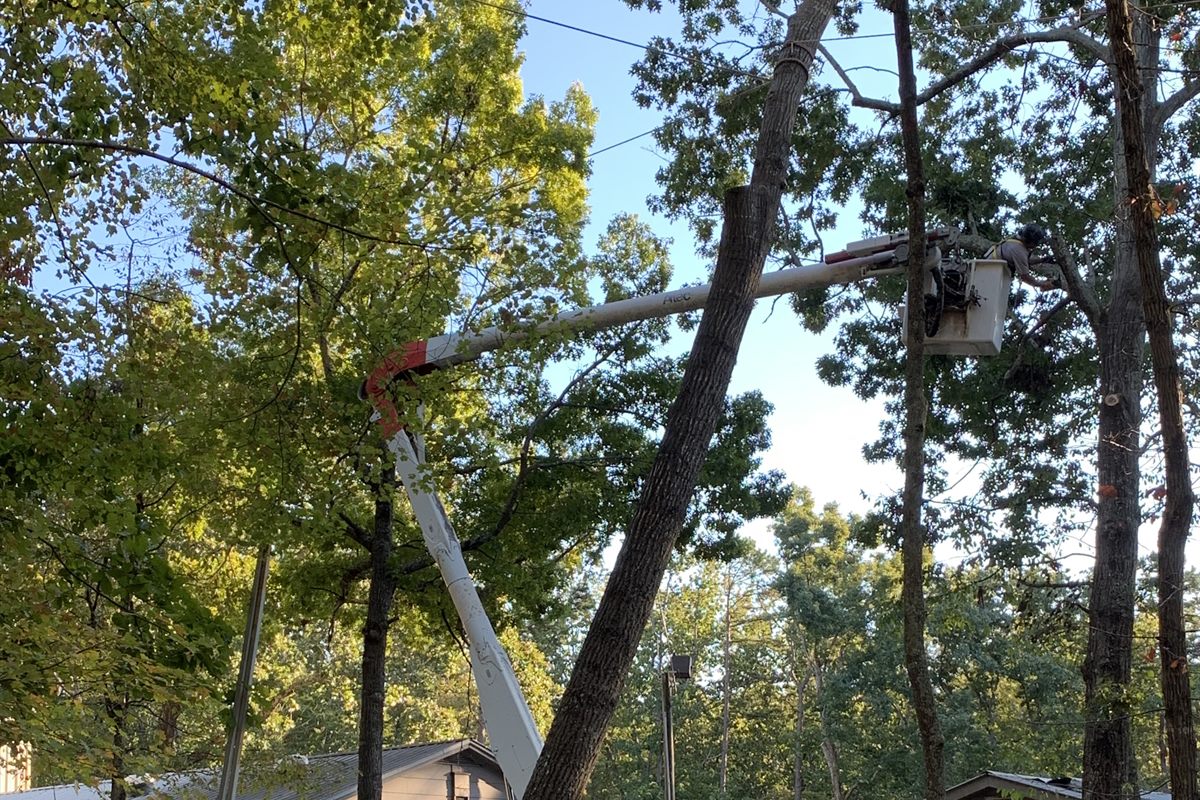
- Tree size and height. A 30-foot oak costs more to access than a 20-foot dogwood. Bucket truck work scales with height.
- Limb density and branch diameter. Thick branches take longer to cut and remove. A dense crown takes more passes.
- Extent of deadwood removal. Light cleanup of a few dead tips is $200. Removing half the dead wood from a 60-foot tree with multiple large limbs is $500+.
- Cleanup and hauling. Most crews factor this in. If you want the wood chipped on-site or logs left for firewood, that changes the price.
Removal in Garner typically runs $800 to $2,500 depending on (the full breakdown is in our Garner tree removal cost guide):
- Tree size and height. A 25-foot dogwood removal might be $800 to $1,200. A 70-foot oak can be $1,800 to $2,500+ if it’s near structures.
- Access and obstacles. If the tree is in the middle of a wide-open yard, crews work faster. If it’s 15 feet from your house and over the garage, the job is riskier and takes longer.
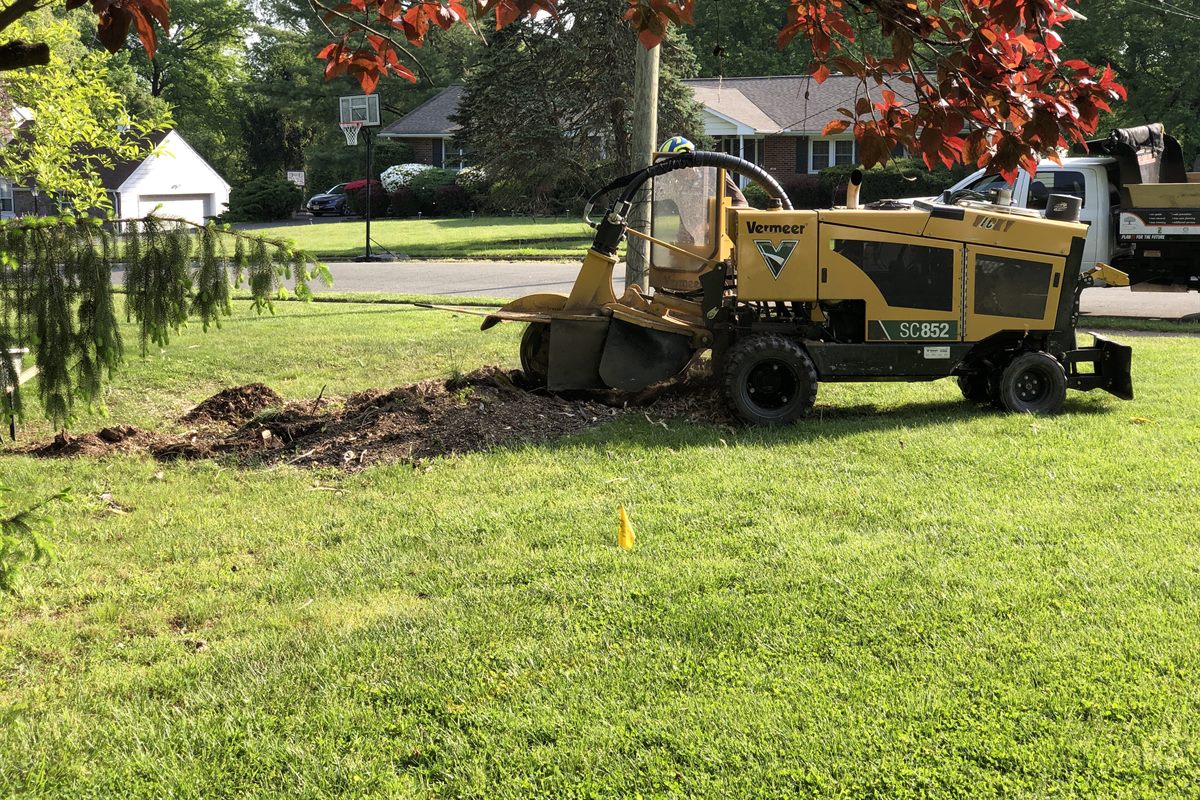
- Stump removal. Grinding the stump to below grade costs $150 to $400 depending on stump size. Leaving the stump is cheaper; removing it is recommended for replanting.
- Wood disposal. Some crews chip everything and haul it. Others leave it in logs if you want firewood.
The Real Benefit of Pruning: Safety and Lifespan
When a tree earns pruning instead of removal, you get two things:
Immediate safety improvement. Dead limbs break and fall. Storm-damaged branches hang unpredictably. Certified pruning removes the hazard without killing the tree. For Garner’s spring and fall storm season, that’s real value.
Lifespan extension. A healthy 40-year-old oak can live another 40 years with proper pruning every 3 to 5 years. You’re removing the weak points so the tree puts its energy into strong, stable growth. That’s not a quick payoff, but it adds up.
Aesthetic Goals and Insurance Coverage
If you’re keeping the tree for shade or curb appeal, strategic pruning shapes it. You can open the canopy to let light reach your lawn, raise the crown for sightlines, or balance an uneven shape. Removal means planting new, which takes 10 years to achieve the shade a mature tree gives today.
On insurance: most homeowners policies do not cover tree removal unless the tree has already fallen on the house. Routine maintenance, including pruning, is your responsibility. If a tree you neglected falls and damages your home, your insurer might deny the claim. Keeping trees pruned and hazard limbs removed is the legal cover.
Certified Arborists vs DIY Risk
Here’s where transparency matters: pruning a large tree yourself is dangerous. Chainsaws, heights, falling limbs, lack of equipment: this is how people end up in emergency rooms or worse.
A certified arborist (look for ISA certification) knows:
- Which limbs to remove and which to leave for branch structure
- How to make proper cuts that heal, not wound the tree
- How to safely rig heavy limbs down instead of dropping them
- When a tree is compromised and removal is the only option
That credential isn’t gatekeeping. It’s the difference between a tree that heals and recovers versus one that gets infections, fails in the next storm, or collapses partially. A $400 investment in certified pruning can save a $1,500+ tree.
Frequently Asked Questions
How often should I prune my tree?
Typically every 3 to 5 years for mature shade trees. Younger trees and ornamentals may need annual work. Hazard branches should come off immediately regardless of schedule.
Will pruning make my tree grow back thicker?
No. Pruning removes branches; it doesn’t create new ones. It directs the tree’s energy to healthy remaining growth and removes the weak points that are wasting resources.
Can I leave the tree and just remove hazard branches?
Yes, that’s essentially what pruning is. If only a few branches are problematic, targeted removal is the option. When most of the crown is compromised, removal becomes the answer.
Is a tree stump hazardous after removal?
Stumps are tripping hazards and attract pests. Grinding removes the hazard and opens the space for replanting or landscaping. It’s worth the investment.
What if I cut the tree in half instead of removing it?
Topping (cutting the trunk) severely injures the tree and creates hazards. The tree responds by pushing out dozens of weak branches from the cut; these are prone to breaking and pest invasion. Never top a tree expecting it to recover.
Next Step: Get a Professional Assessment
The difference between pruning and removal is health, safety, and cost. You don’t have to decide alone.
A certified arborist will assess your tree’s health, show you the hazards, explain your options, and give you a realistic cost. That assessment is free or a small fee; the clarity is worth it.
If you’re in Garner and your tree is in question, reach out to us. We’ll walk through the decision together and give you honest guidance on whether your tree has a future or whether removal is the right call.
Ready to protect your trees and your home? Contact us today for a free written quote.