Tree Removal Before Selling Your Garner Home | 2026 Guide
Garner Tree Removal • August 29, 2026 • 10 min read
The Listing That Didn’t Sell: Why Your Trees Matter More Than You Think
You’ve spent months preparing your Garner home for sale. The kitchen is freshly painted, the yard is mowed, and your real estate agent has scheduled the first showing for Friday. Then the home inspector arrives at a showing, spends five minutes looking at the massive dead oak in your front yard, makes a note on his inspection report, and the buyer’s agent immediately requests a $7,000 price reduction to “account for the hazard removal cost.”
That dead tree just cost you thousands in negotiating power before you even received an offer.
The hard truth: buyers in the Garner market aren’t looking for projects during their final walkthrough. They’re looking for a maintenance-free home where they can move in and enjoy their investment. A hazardous or visibly declining tree signals exactly the opposite: hidden costs, liability risk, and ongoing maintenance headaches.
This is why strategic tree removal before listing has become one of the highest-ROI staging decisions in the North Carolina real estate market. And unlike a new deck or kitchen remodel, tree work doesn’t require months of construction noise or budget overruns.
What Buyers Actually See: The Psychology of Curb Appeal and Safety
When a potential buyer pulls up to your Garner home, their first impression is formed in about 10 seconds. That’s the time it takes to evaluate curb appeal and make an emotional decision about whether they want to go inside.
Dead trees, leaning trees, or branches overhanging the roof don’t just look neglected, they communicate a specific message: This property hasn’t been maintained.
Here’s what buyers unconsciously register:
- Dead wood signals neglect. A visibly dead tree (no leaves in summer, gray bark, obvious cavities) tells buyers the seller didn’t invest in basic upkeep. That assumption extends to the entire home.
- Low-hanging branches suggest poor maintenance. If branches are scraping the roof or blocking sightlines to the front door, buyers wonder what else has been deferred.
- Hazardous trees create liability anxiety. Buyers know they could be sued if a neglected tree damages a neighbor’s property. That legal exposure gets factored into their offer immediately.
The Garner real estate market is competitive. Homes in desirable neighborhoods like Whiteridge, Gleneagles, and downtown Garner can sit weeks longer if they’re perceived as requiring immediate work. Meanwhile, homes with manicured landscaping and clear sight lines to the entrance sell faster and for higher multiples of list price.
Removing one dead tree often costs $800 to $2,500 (see our Garner tree removal cost guide for what moves the price). Adding $5,000 to $10,000 in perceived value and closing power makes that investment nearly invisible when the sale closes.
The Liability Disclosure Every Garner Seller Must Understand
North Carolina requires sellers to disclose known defects to buyers. Trees and tree hazards fall into a gray area: you’re legally obligated to disclose if you know a tree is dead or dangerous, but disclosure doesn’t eliminate the liability exposure, it just spreads the risk.
Here’s the real situation:
If you disclose that an oak tree is dead but leave it standing, the buyer now knows about the hazard. But they don’t have the legal obligation to remove it before closing. If that tree falls on the neighbor’s property or their own home weeks or months after purchase, both you and the buyer could face liability claims, especially if the buyer can argue you disclosed a known risk and failed to address it.
This is the worst-case scenario: you sold the home, moved away, and six months later you’re dealing with a lawsuit because a tree you knew was hazardous is now damaging someone’s property.
Removing the tree before listing eliminates this entire problem. There’s nothing to disclose. There’s no ongoing liability. And there’s no negotiating room for the buyer to demand a price reduction.
How Home Inspectors Flag Trees: Why Your Appraisal Might Drop
When a home inspector walks through your Garner property, they’re trained to identify safety hazards. Trees and vegetation are part of that assessment.
A standard home inspection report will flag:
- Dead or diseased trees in close proximity to the home
- Branches overhanging the roof or gutter line
- Unstable leaning trees or trees with visible cavities
- Root systems visibly damaging driveways, foundation, or utilities
That inspection report gets shared with the buyer and their lender. Many lenders require a clear appraisal before funding the loan. If the appraisal includes a note like “property has hazardous tree requiring removal,” the lender may demand the work be completed before closing, or they may reduce the appraised value to account for the cost of removal.
You’ve now handed the buyer leverage to renegotiate after inspection. That $1,200 tree removal you could have managed on your timeline is now a $1,200 removal plus a $3,000 price reduction because the inspection flagged a liability.
Timing Strategy: When to Remove Trees Before Your Home Hits the Market
The optimal window is 4 to 8 weeks before your listing goes live.
Why this timeframe works:
- Trees are removed and stump work is complete before the first showing. No construction equipment in the driveway. No active crew digging up the yard. Buyers don’t walk through an active worksite; they see a finished property.
- Debris is cleared and landscaping has recovered. A recent stump grinding leaves a visible wound in the yard. Grass reseeding takes 3 to 4 weeks in Garner’s climate. Planting a new shrub or small tree hides the removal scar and signals active investment.
- You control the narrative. You’re removing the tree because you maintain your property, not because an inspector forced you into it.
If you wait until after inspection, you’ve lost the advantage. The buyer’s inspector will flag it. Your negotiating power collapses. You end up removing the tree anyway, but at a discounted price and on the buyer’s schedule.
The Real ROI: Can You Recover Tree Removal Costs in the Sale Price?
This is the question every seller asks: “Will buyers actually pay more if I remove the tree?”
The answer is: not directly, but absolutely through reduced negotiation pressure and faster sales.
Here’s the breakdown:
Direct value recovery: A $1,200 tree removal doesn’t add $1,200 in home value. Appraisers don’t increase the appraised value because a dead tree was removed; they simply don’t lower it. The removal prevents a price reduction, which is different from creating new value.
Indirect value recovery: Where you gain ROI is in closing power and sale speed:
- Fewer inspection contingencies. If the inspector doesn’t flag a tree hazard, the buyer has fewer reasons to request repairs or price reductions post-inspection.
- Faster sale speed. Garner homes with strong curb appeal sell 10 to 15 days faster than similar homes with landscaping issues. In a competitive market, selling faster can mean competing against fewer other listings.
- Stronger buyer perception. A well-maintained property with clear sight lines and healthy landscaping commands higher buyer confidence. That confidence often translates into fewer requests for credits or repairs elsewhere in the home.
Real example: A Garner seller removes a dead tree ($1,500 cost) before listing a $385,000 home. Without the tree, the home sells in 18 days for 98% of list price ($377,300 net after commissions and closing). That same home, if listed with the dead tree, would likely sit 35 to 40 days and sell for $381,000 after inspection renegotiation. Difference: 18 days faster, fewer headaches, and the negotiating power stays with the seller.
Buyer Negotiation Leverage: Why Removing Trees First Is Defensive Strategy
Here’s what you’re really buying when you remove a tree before listing: negotiating leverage.
When a buyer makes an offer, that offer includes contingencies. Home inspection is the most dangerous. Once the inspector flags a tree hazard, the buyer’s agent will write it into the repair request list. Now you have two options:
Option 1: Accept the buyer’s demand for a price reduction to cover removal ($1,200 removal becomes a $3,000 to $4,000 price reduction because the buyer assumes you’ll hire a contractor at retail rates).
Option 2: Agree to remove the tree yourself before closing. But now you’re managing the timeline risk. The buyer closes in 30 days. You have to schedule the crew, complete the work, dispose of debris, and deliver a finished yard in that window. Any delay jeopardizes the sale.
By removing the tree before listing, you eliminate both of these scenarios. The inspector’s report is clean. The buyer has no leverage on this particular issue. You’ve preserved negotiating room for the real issues that matter (appliances, HVAC, foundation).
Frequently Asked Questions
Should I remove a healthy tree just because it’s large?
No. Large, healthy trees are assets. They add shade value, visual appeal, and real estate value. Only remove trees that are dead, diseased, leaning, or clearly hazardous. If a tree is healthy, maintain it and highlight it in your listing photos. Buyers like mature trees.
Can I just trim the tree instead of removing it?
If the tree is dead or diseased, trimming doesn’t fix the problem. If it’s healthy but has low branches or overgrown growth, strategic trimming can work and costs $300 to $600. But if an arborist determines the tree is dying or structurally unstable, removal is the only option.
Why shouldn’t I just remove it myself or hire a cheap crew?
Tree removal isn’t a DIY job. Here’s why:
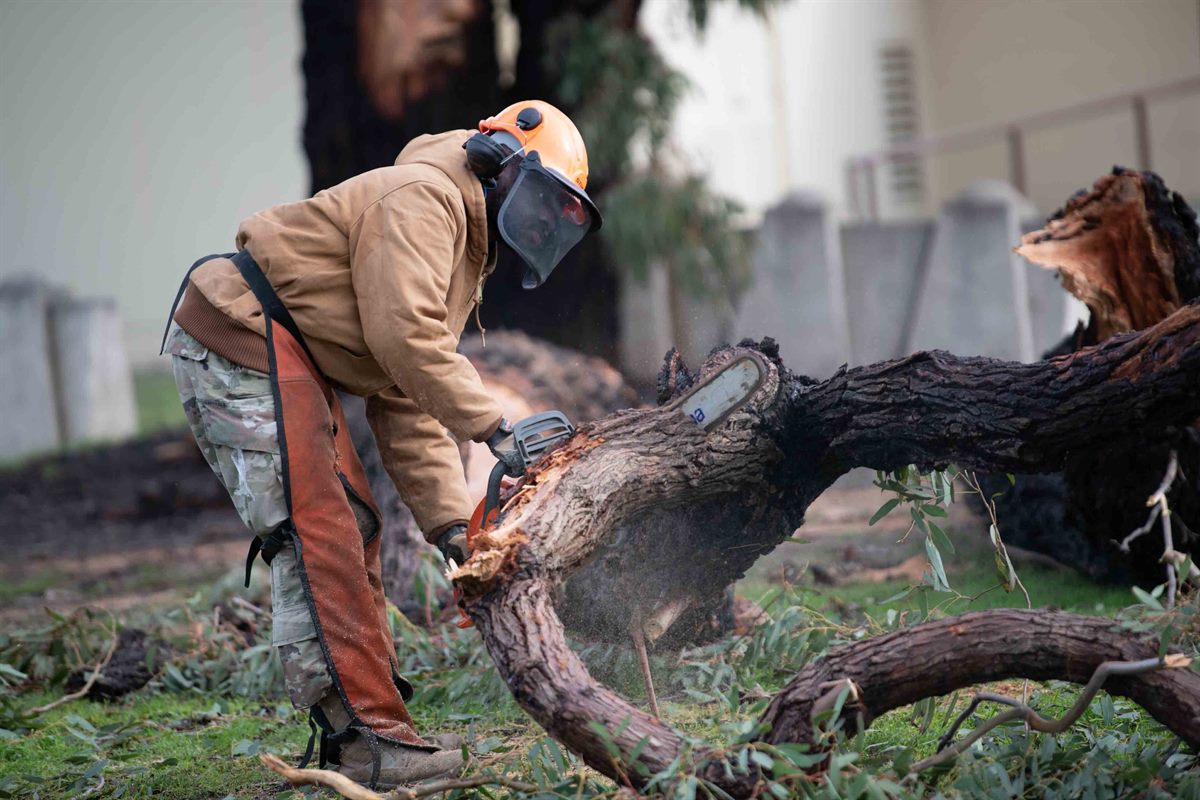
- Chainsaws cause injuries, and inexperienced users are hurt far more often than professionals. Most homeowners lack the training and equipment.
- Improper cutting can damage your home, power lines, or neighbors’ property. If your DIY removal causes damage, you’re liable.
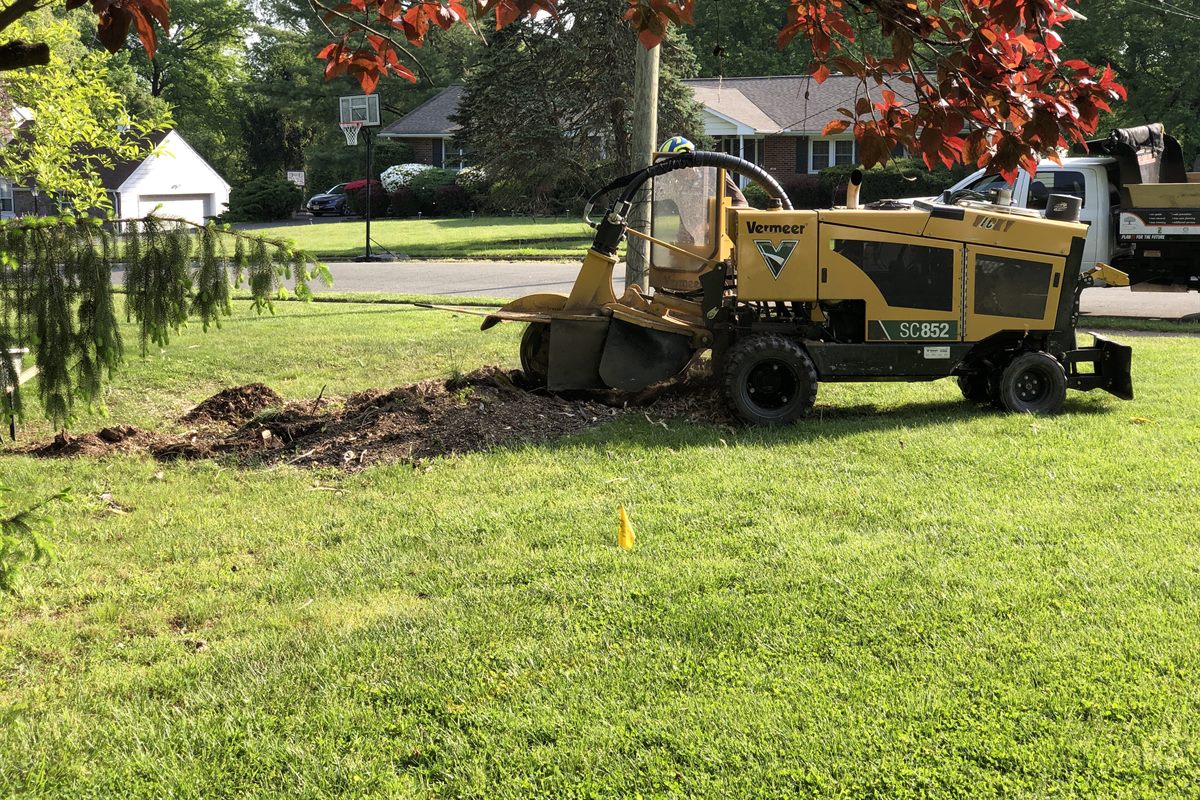
- Stump removal requires grinding equipment. You can’t rent this equipment easily or safely without experience. Leaving a stump creates a tripping hazard and looks unfinished.
- Debris disposal is expensive. Where are 3 to 5 cords of wood chips going? Hauling is often more expensive than the removal itself.
- Insurance doesn’t cover DIY tree work injuries or property damage. A licensed crew carries liability insurance and workers’ compensation.
Budget for professional removal: $800 to $2,500 per tree depending on size, proximity to structures, and site access.
How long does tree removal actually take?
A typical tree removal takes 3 to 6 hours for the crew. Stump grinding adds 1 to 2 hours. Debris cleanup takes an additional 1 to 2 hours. Chip disposal can take longer if the company has to haul it off-site. Most crews can complete a standard removal in a single day.
Will removing a tree hurt my landscaping or yard?
Professional crews will manage debris and minimize damage. Stump grinding creates a visible depression, which should be filled with topsoil and reseeded. A new small tree or large shrub planted in that spot can hide the removal scar within a season and signal active investment to buyers.
What if the buyer’s inspector flags a tree issue I didn’t know about?
Have an arborist assess your trees before listing. An ISA-certified arborist can identify hazards you can’t see (internal decay, root disease, structural weakness) and give you a written report. That report becomes leverage: you can either remove the flagged tree proactively or provide the report to buyers so they understand the issue is documented and manageable.
The Bottom Line: Invest in Your Exit
Selling a home is an emotional decision for buyers, even though they claim it’s all about the numbers. Trees and landscaping influence that emotion more than most sellers realize.
A dead or hazardous tree says: This seller was reactive, not proactive. What else wasn’t maintained?
A clean, well-maintained yard with strategic tree removal says: This seller invested in this home. They took care of details.
In the Garner real estate market, that difference translates into faster sales, fewer inspection headaches, and stronger negotiating power. The $1,200 to $2,500 you invest in tree removal before listing typically pays for itself through reduced price negotiation alone.
Ready to assess your property before listing? Contact Garner Tree Removal for a free pre-sale evaluation. We will identify any trees that could impact your sale, provide transparent pricing, and schedule removal at a time that fits your listing timeline.
Or explore the full range of tree services we offer in Garner.
Published August 29, 2026. This guide reflects current Garner real estate market conditions and NC disclosure laws. Costs and timelines are based on typical residential properties in the Garner area. Actual quotes vary by tree size, site access, and complexity. Always get multiple estimates before hiring.