Sweetgum Tree Problems: Is It Worth Keeping?
Garner Tree Removal • September 20, 2026 • 8 min read
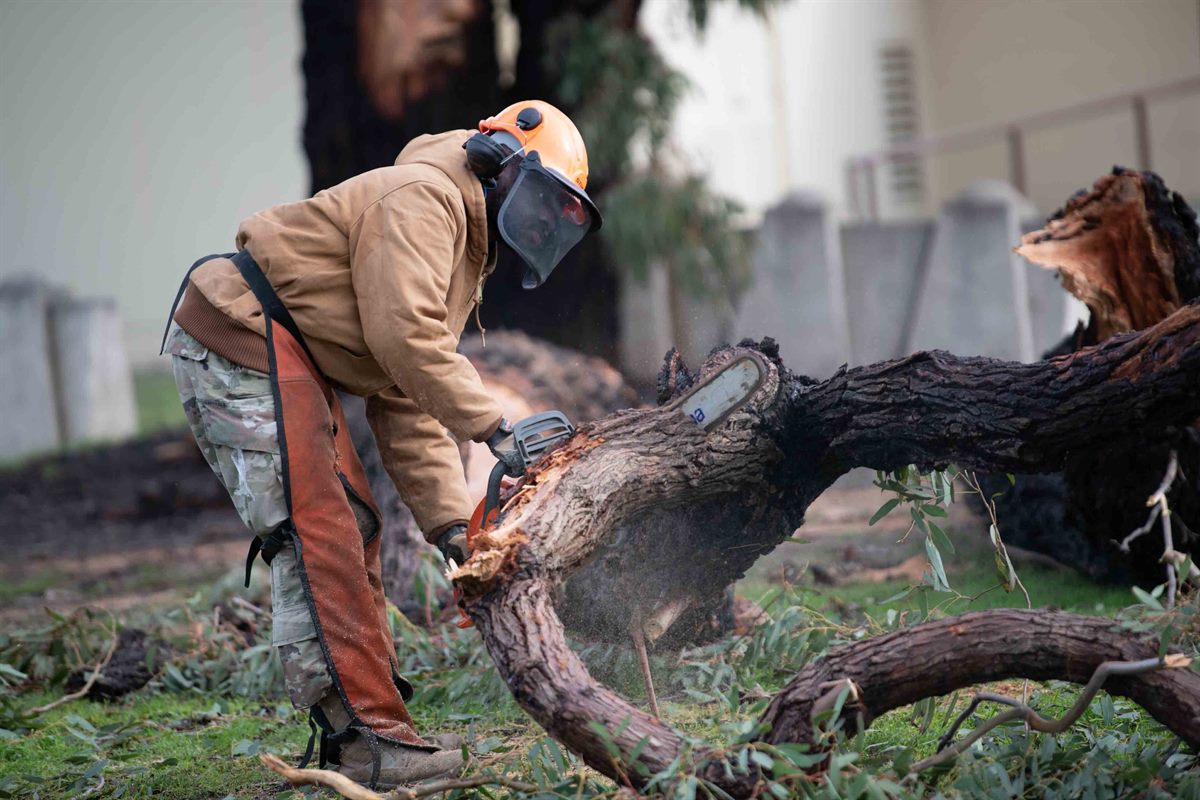
Nobody plants a sweetgum on purpose any more, and yet half the back lots in Garner, Clayton and Wendell have one. They show up along fence lines and property edges, they grow fast, and by the time anyone gives them a thought the tree is 70 feet tall and firing spiky fruit at the lawnmower every winter. The question that brings people to sweetgum tree problems is almost never “what is wrong with it”. It is “do I keep this thing or not”.
That is a fair question and it deserves a real answer rather than a list of leaf diseases. Some sweetgum complaints are permanent features of the species, some are fixable in an afternoon with a bag of mulch, and one or two are genuine structural warnings. This guide separates them, then gives the planning ranges for removal and grinding if you land on the other side of the decision. Ranges, not quotes.
What Are the Real Sweetgum Tree Problems?
The fruit and the shallow roots are permanent, the insects and leaf spots are cosmetic, and wood rot in an old wound is the only one that decides the tree’s future. NC State lists webworms, caterpillars, borers and scale among the pests, and leaf spots, wood rot and bleeding necrosis among the diseases, but the reason people want the tree gone is almost always the gumballs.
| Sweetgum complaint | What is actually going on | Can you fix it? |
|---|---|---|
| Spiky gumballs | Fruit litters the ground December through April | Not on a mature tree |
| Surface roots in the lawn | Shallow root system under a big, fast-growing tree | No, work around it instead |
| Mower damage and turf trouble | Roots plus fruit in mown grass | Yes, with a mulch bed under the canopy |
| Wood rot at old wounds | Decay working in after storm breaks or bad cuts | No, and it changes the decision |
| Webworms and caterpillars | Common, mostly cosmetic on a mature tree | Usually nothing worth doing |
| Pale leaves with green veins | Iron chlorosis, which shows up on alkaline soil | Sometimes, after a soil test |
Size is the background fact behind most of it. A sweetgum runs 60 to 100 feet tall on a 40 to 50 foot spread with a trunk that can pass four feet in diameter, and it gets there rapidly. Everything a tree that size does, good and bad, it does at scale.
Not sure which row yours sits in? Request a free written quote and we walk the property, then put the price for whatever it needs in writing.
Can You Stop a Sweetgum From Making Gumballs?
Not on an established tree, and that is the honest position from NC Cooperative Extension rather than ours. Chemicals exist that suppress fruiting, but Extension is blunt about the limits: preventing fruit on large, well established sweetgums is not practical. Timing has to be right, coverage has to reach the whole canopy, and on a 70-foot tree neither is realistic.
What Extension does recommend is cheaper and works immediately: mulch under the tree and rake the fruit into the mulch. The gumballs break down in the bed, the mower never meets them, and the bare ring stops the string trimmer chewing the root flare. On most Garner lots that single change removes the bulk of the complaint.
The other route only applies if you are replanting. The ‘Rotundiloba’ cultivar is a sweetgum without the spiny fruit, so if you love the autumn colour and hate the hardware, the fruitless version exists. That is a decision for the next tree, not this one, and our replanting guide covers what goes back in after a removal.
Pro tip: one mulch ring out to the drip line fixes three complaints at once. It catches the fruit, hides the surface roots, and keeps mower and trimmer off the trunk flare, which is where most sweetgum decay wounds start in a suburban yard. Keep the mulch off the bark itself, a couple of inches back all the way round.
Surface Roots, and What They Actually Threaten
Sweetgum has a shallow root system. That is a species trait, not a sign of anything wrong, and it is why the roots ridge up through lawns and lift pavers near the trunk. It also explains why sweetgums transplant badly and sulk for months afterwards, since NC State notes the roots take three to four months to recover from the shock.
What shallow roots genuinely threaten is hardscape and turf: a walkway, a patio edge, a driveway apron, the flat piece of lawn where the swing set sits. A question about a house foundation belongs to a structural engineer rather than a tree crew. What shallow roots do not give you is deep anchorage, so a tall sweetgum in saturated ground after a week of storms is carrying more risk than the same tree in August.
Cutting big surface roots to fix a walkway is where people get themselves into trouble. Severing a major structural root on the windward side can destabilise a tree that was fine the week before. If a root has to go, that call belongs to a certified arborist, found through the ISA “Find an Arborist” directory or the Wake County office of NC Cooperative Extension. We do not diagnose trees; we quote the removal or the pruning once the decision is made.
When a Sweetgum Is Worth Removing
Three situations turn a nuisance tree into a removal. Wood rot at an old break or a topping cut, because decay in a large stem is structural and does not reverse. A trunk that forks into two competing stems with bark pinched in the union, because that is the failure point in a storm. And position, which is the one nobody weighs properly: a 90-foot sweetgum leaning over the roofline is a different proposition from the same tree at the back of the lot.
Mess alone is a weak reason on its own, and it is still a legitimate one if you are tired of it. Plenty of the sweetgum removals around Clayton and Archer Lodge are simply people deciding they would rather have the lawn back.
Here is what the work runs as a planning range:
| Sweetgum job | Typical 2026 range |
|---|---|
| Small tree, under 30 ft | $300 to $800 |
| Medium, 30 to 60 ft | $500 to $1,500 |
| Large tree removal, 60 to 80 ft | $1,500 to $3,000 |
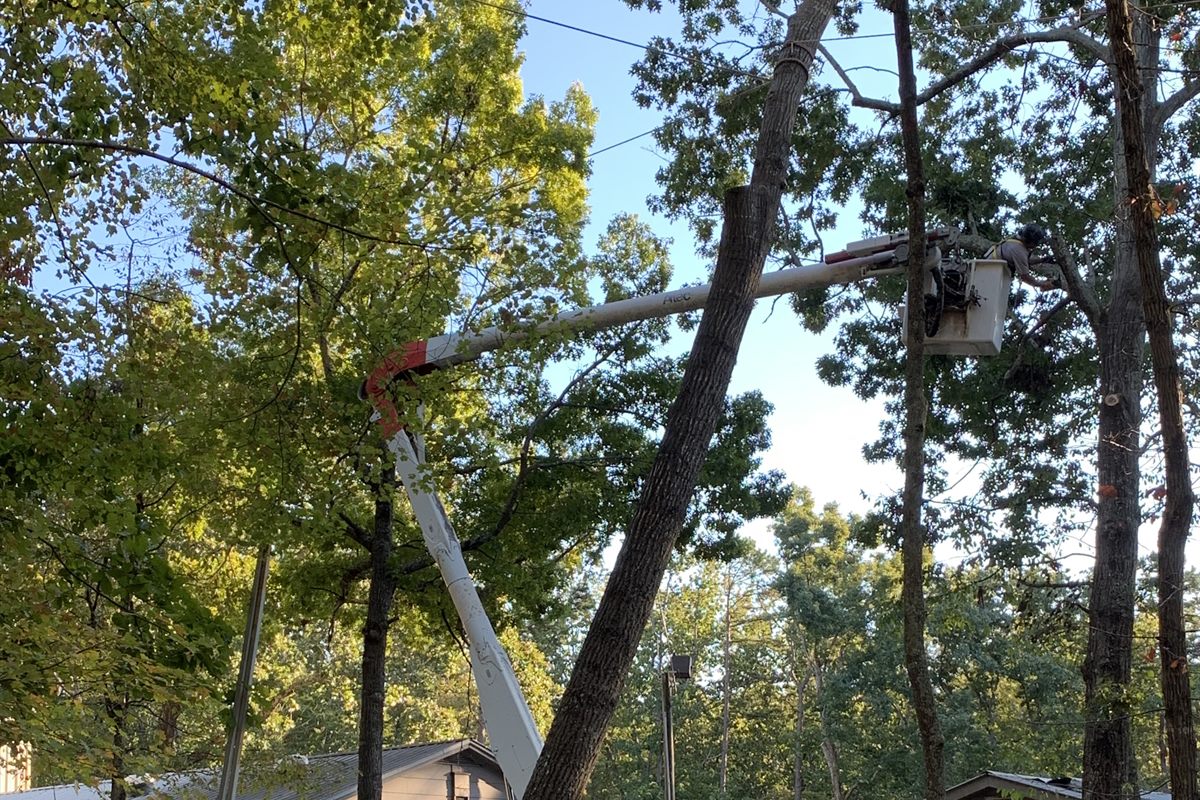
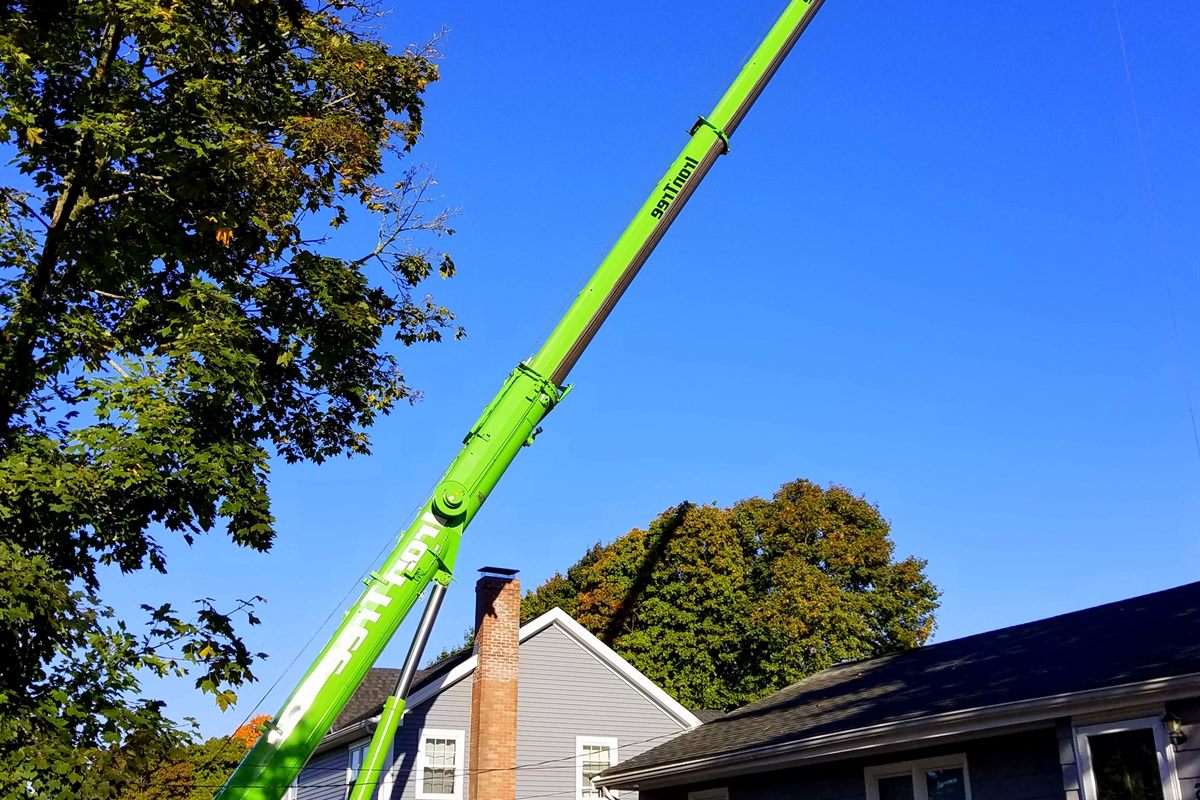
| Crane or rigging over a structure | $2,500 to $6,000+ |
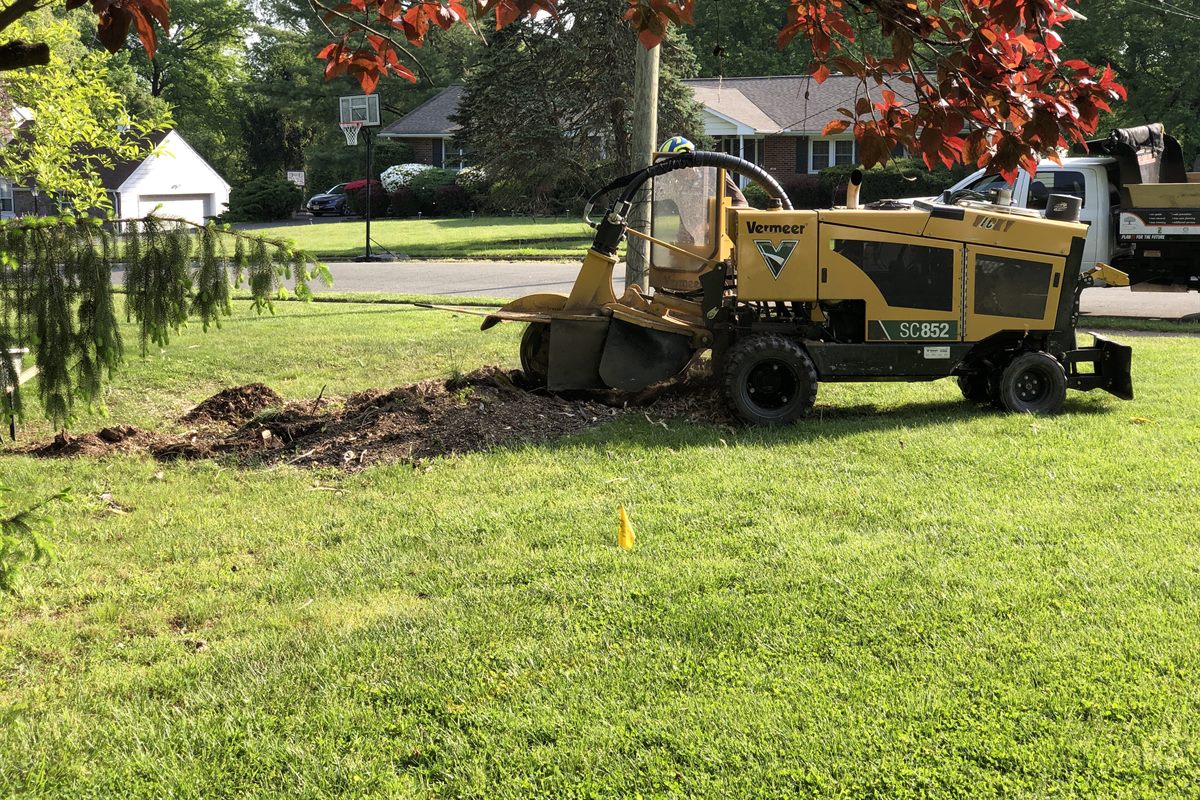
| Stump grinding | $100 to $400 per stump |
Most mature sweetgums land in the large band, because the species is genuinely tall and the wood is heavy. Full breakdowns sit in the Garner tree removal cost guide, and if you want the ground back for turf, the stump grinding service and our guide on what to do with stump grindings cover what happens to the chips afterwards.
Frequently Asked Questions
When do sweetgum balls actually fall?
The fruit litters the ground from December through April, which is why the complaint peaks in late winter rather than autumn. That timing is useful: if you are booking removal partly to be rid of the gumballs, doing it in autumn buys you the whole winter without them.
Are sweetgum trees weak or dangerous?
Not inherently. A sound sweetgum with a single straight stem is a reasonably solid tree, and it is not in the same category as a water oak, which NC State calls weaker wooded than most oaks. What makes a specific sweetgum risky is decay at an old wound, a pinched double stem, or shallow roots in saturated ground under a tall crown.
Can I just cut the top out to make it smaller?
No, and topping is the single most reliable way to turn a healthy sweetgum into a hazard tree. The cuts do not seal, decay enters the large stubs, and the regrowth attaches weakly to rotting wood. NC State already lists wood rot among the species’ problems, and topping hands it the opening.
Will grinding the stump stop it coming back?
Grinding takes the stump to below grade and ends the stump itself, which is what most people want before they lay turf. Grinding is priced at $100 to $400 per stump around Garner and the surrounding towns, and you can read how the chips are handled in the stump grinding guide.
Do you remove sweetgums in Clayton and Wendell?
Yes. Sweetgum takedowns are routine planned work across Clayton, Wendell, Archer Lodge and Knightdale as well as Garner itself, and a back-lot sweetgum with clear access is usually one of the cheaper large removals on a property.
Is it worth keeping a sweetgum at all?
Often, yes. The autumn colour is among the best of any native tree here, it shades a west-facing wall properly, and a sound one has decades in it. The mulch ring answers most of the mess. Remove it for structure or position, not for tidiness alone, unless tidiness is genuinely what you are buying.
Sweetgum Removal in Garner, Clayton or Wendell?
If the gumballs have finally won, or the tree has rot at an old break and sits within reach of the house, the next step is a written number. We take sweetgums down across Garner, Clayton, Wendell and Knightdale, prune the ones worth keeping, and grind the stump afterwards so the lawn goes back the way you want it.
Tell us about the tree or call (919) 322-8083 during business hours. You get a free written quote with an up-front written price and a clear scope before any work is booked.
Sources: NC Extension Gardener Plant Toolbox: Liquidambar styraciflua · N.C. Cooperative Extension, Henderson County: Preventing Sweet Gum Tree Fruit · NC Extension Gardener Plant Toolbox: Liquidambar styraciflua ‘Rotundiloba’