Pine Tree Too Close to the House? Keep or Remove
Garner Tree Removal • November 15, 2026 • 7 min read
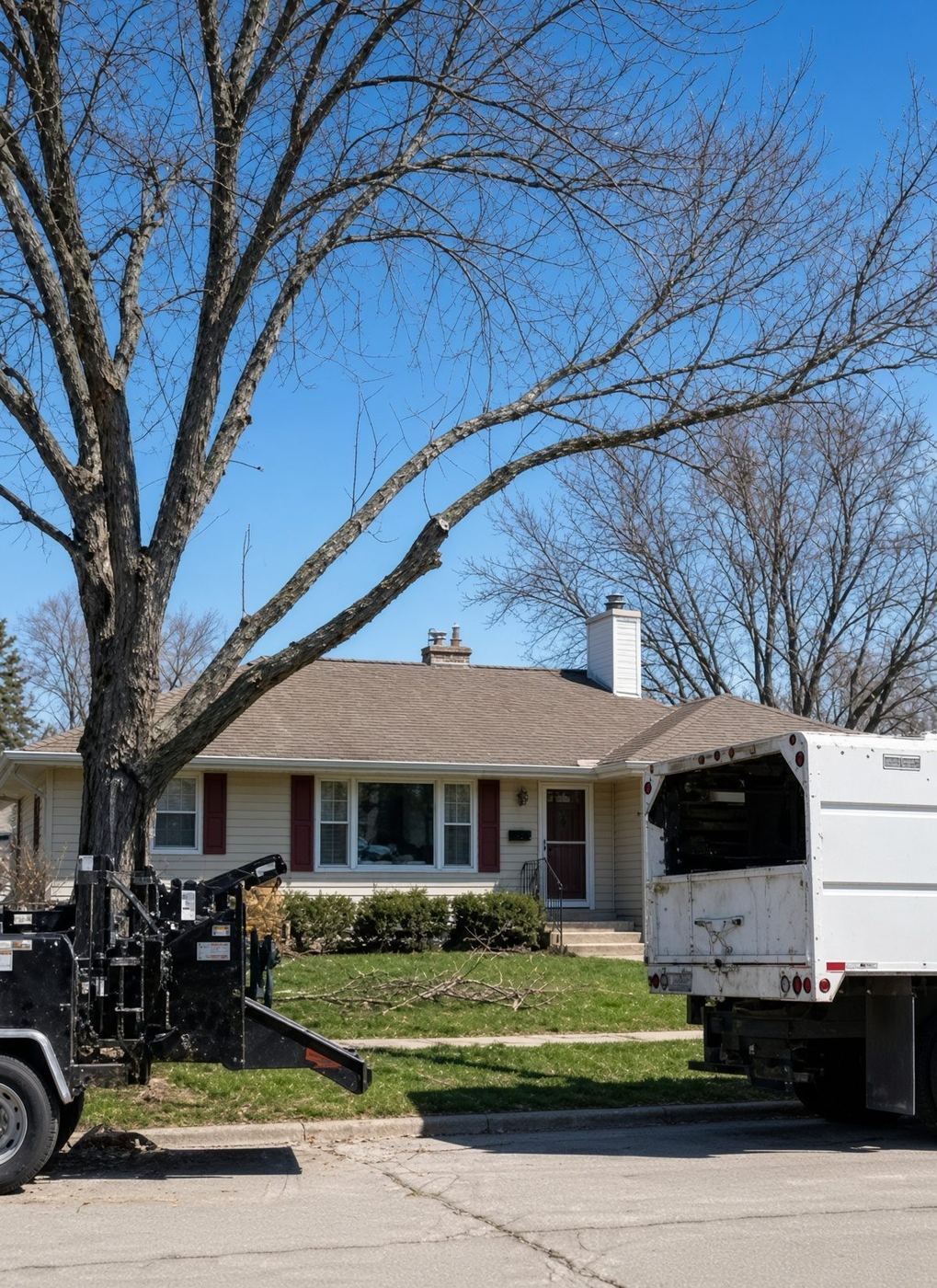
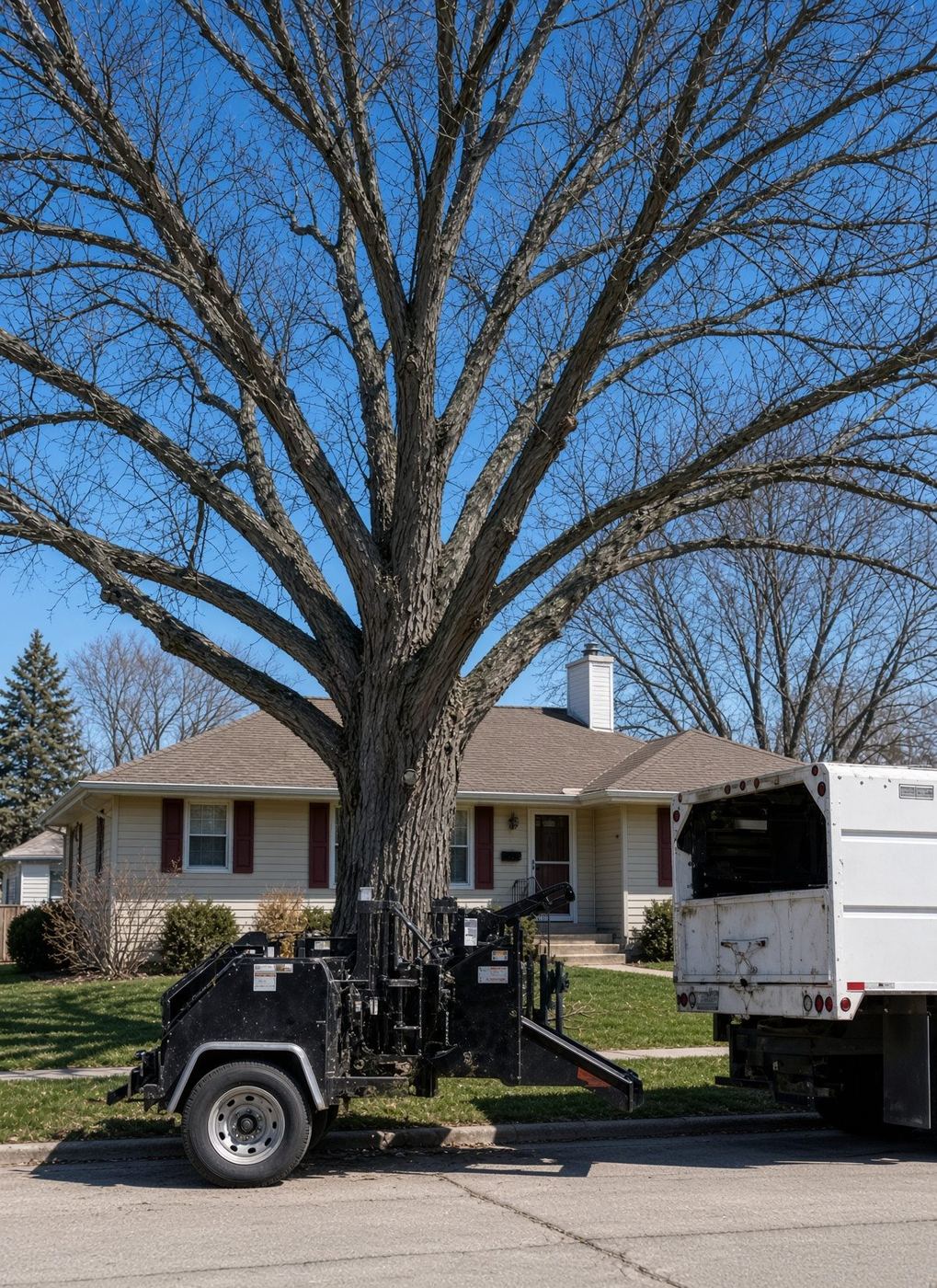
A pine too close to the house is not a problem because of the distance. It is a problem because of its condition. A sound pine standing 40 feet from the roof can stay for decades. A dead-topped or leaning pine at the same distance is the one to worry about. What the distance does is decide how much is at stake if the tree fails.
If you are looking up at a 60 to 90 foot loblolly over a Garner, Clayton or Wendell roof, this guide gives you a way to sort it: keep, work on it, or take it out.
Is a tall pine near my house actually dangerous?
Sometimes, and the reasons are specific. NC State Extension lists loblolly pine at 60 to 90 feet tall and susceptible to wind damage, and LSU AgCenter rates it medium-low for wind resistance. The same LSU guide says a sound tree has no real reason to come out, and that shallow roots in saturated soil are what make a tree more likely to fall.
That second part is the Triangle problem. Our red clay holds water after a long rain, and a tall pine has a lot of sail. Heavy rain followed by wind is the combination that takes pines down, either by snapping the trunk or by tipping the whole root plate out of the ground.
How close is too close? A table by tree type
There is no legal or engineering line you can measure to. Sources disagree, so use this planning rule: if the tree could reach the house when it falls (its own height), the condition checks below matter. The table shows what to look at for each common tree.
| Tree | How it usually fails | What to check first |
|---|---|---|
| Loblolly pine | Trunk snaps, or the root plate tips out of wet clay | Dead or browning top, lean that changed, heaved soil |
| Oaks (water, willow) | Hollow or rotten trunk, large limbs drop | Decay, fungus, dead limbs; see water oak lifespan |
| Sweetgum | Drops limbs, surface roots | Dead branches, lifted sidewalks; see sweetgum problems |
| Bradford pear | Splits at the V-shaped joints | Cracks at the forks; see Bradford pear splitting |
For roots and foundations, which is a separate question from falling, read tree roots damaging foundation. Not sure which row your tree fits? Request a free quote and we’ll contact you to discuss the tree, the access, and the work you need.
What moves a pine from keep to remove?
Walk the lot from a safe distance (never stand under the tree) and look for these. Any one of the first four is a reason to get the tree looked at promptly.
- A top that is dead, thin or browning. NC State’s guide to pine bark beetles says needles fade from green to yellow to red as an attack moves through. Beetles mainly hit pines already stressed by drought, storm damage or wounds.
- Pitch tubes on the trunk. Popcorn-like blobs of hardened sap are a sign of beetles, though a stressed tree may not make them.
- A lean that changed. A pine that has always leaned is different from one that moved last month. See tree leaning toward the house.
- Soil heaving or cracks near the base. This means the root plate is moving.
- Neighbors’ trees were cleared. Trees in groups shield each other from wind. When a builder or a neighbor takes out the pines beside yours, the ones left standing take wind they never had.
- Wet ground and a forecast with wind. This is the moment pines fail, so it is the moment to have already decided.
Pro tip: if a pine has already died, do not wait for the next wet spell. A dead pine is brittle and gives no warning, and one with beetles can spread to the pines around it. NC State’s own advice for southern pine beetle is to cut infested trees plus a buffer of green ones.
Can thinning or crown work make a pine safer?
Less than it would for an oak, and that is the part many quotes skip. Pines are not thinned the way hardwoods are. University of Maryland Extension says new shoots will not grow from cuts into older wood on a pine, so heavy cuts leave permanent bare spots rather than regrowth.
What pruning can do:
- Remove dead limbs and limbs hanging over the roof, which are the pieces most likely to land on the house.
- Raise the lower limbs off the roofline and gutters.
- Take out whole limbs back to the trunk (not stubs) to let wind through, which does reduce wind load.
What it cannot do: fix a rotted or beetle-killed trunk, a failing root plate, or a lean. And do not top a pine to make it shorter. NC State Extension notes that topping wounds often never seal and that regrowth is weakly attached. For a tree that endangers a structure, the same article says to remove it and replant.
Our tree trimming and pruning service covers dead-limb removal and clearance on a pine you are keeping. Pruning vs removal walks through that choice for other trees.
When removal is the answer, and what it costs
Take the pine out when it is dead, infested, leaning more than it used to, or sitting on loosened soil, or when it is simply too tall for the lot and you are tired of watching it in every storm.
| Situation | Typical range |
|---|---|
| Large pine in open ground, 60 to 80 ft | $1,500 to $3,000 |
| Pine over a roof or fence, rigging or crane work | $2,500 to $6,000+ |
| Trimming to clear a pine you are keeping | $300 to $1,500 |
| Stump grinding afterward | $100 to $400 per stump |
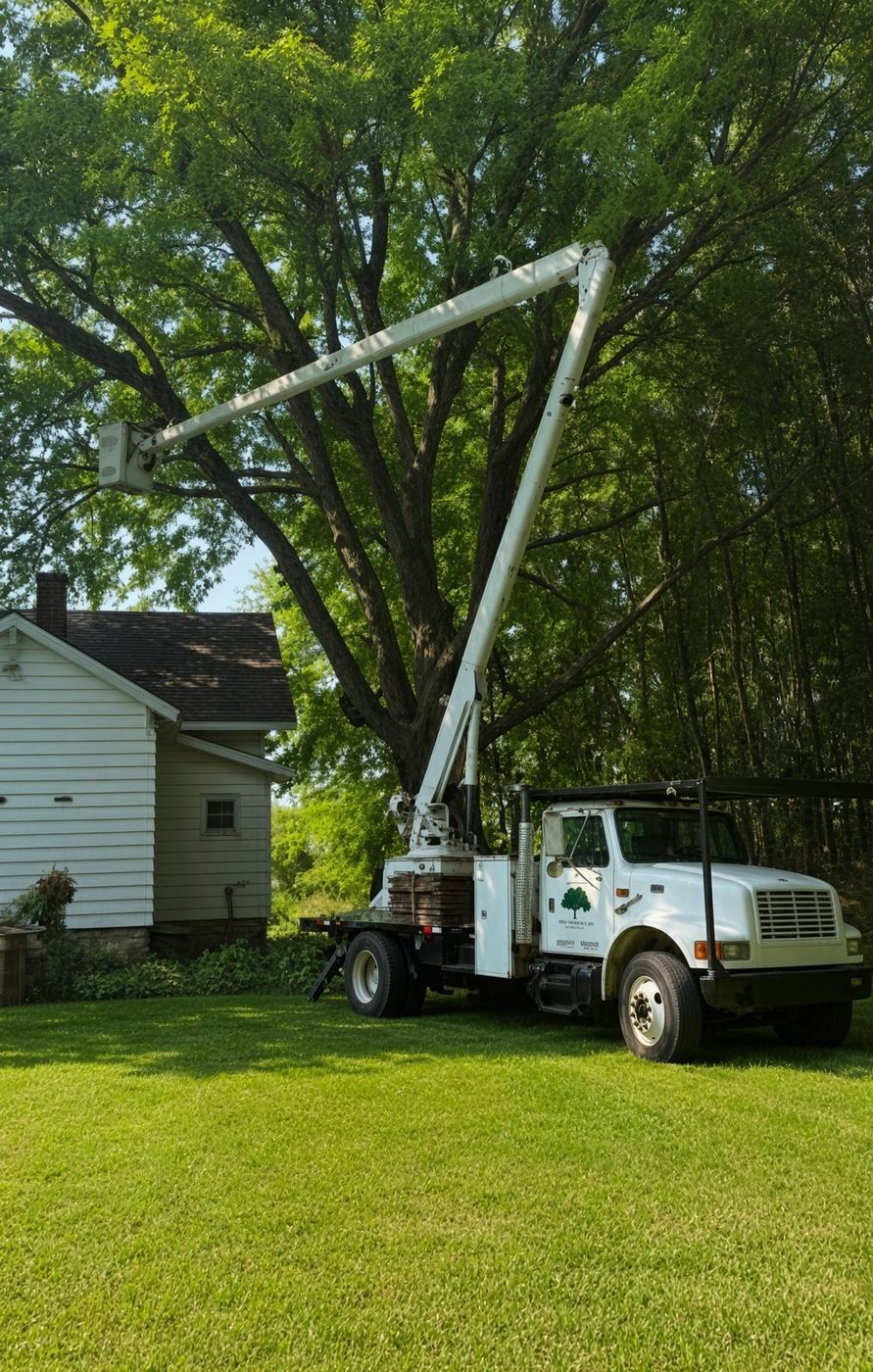
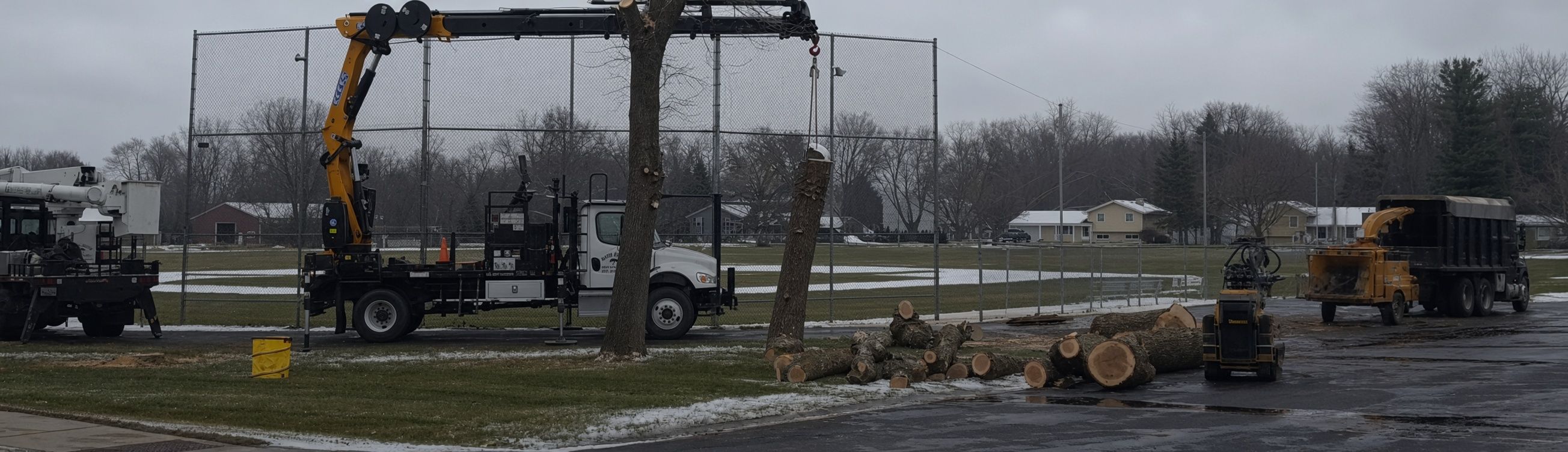
These are planning ranges, not quotes. Method sets the price: a pine with room to fall costs less than one lowered in pieces over a house. Our tree removal and large tree removal pages cover both, and the Garner cost guide has the full table. When there is no open drop zone, a crane is often the safest route.
Want the exact number for your pine? Request a free quote and we’ll contact you to discuss the tree, the access, and the work you need.
If you want a formal written opinion on whether the tree will fail, a certified arborist or your county NC Cooperative Extension office can provide one.
Frequently Asked Questions
How close can a tree be to a house?
There is no single safe distance. Roots and falling are different risks, and a healthy tree can stand close for decades. As a planning rule, treat any tree that could reach the house when it falls as one worth checking, and judge it by its condition. Older pines along a lot line are the common case in Clayton and Wendell.
Are loblolly pines more likely to fall than oaks?
Often yes in wind, because loblolly rates medium-low for wind resistance and tall pines carry a lot of crown. Oaks are more likely to fail from internal decay, so a hollow oak can be just as risky as a pine.
Can I just trim the top of the pine to make it shorter?
No. Topping weakens a tree and the regrowth is poorly attached, and pines do not resprout from old wood. If the height is the worry, removal is the cleaner fix.
What does removing a large pine cost?
A large pine in open ground usually falls in the $1,500 to $3,000 band. Over a roof it moves to $2,500 to $6,000+ because it comes down in sections. The Garner cost guide has the full list.
Do I need a permit to remove a pine from my own yard?
It depends on your town, parcel and any HOA rules, and the town office makes that call. Single-family lots are commonly exempt from tree protection rules, but not always. See HOA rules for tree removal and the Knightdale permit guide for how this works in the area.
Pine tree too close to your house in Garner?
We remove pines across Garner, Clayton, Wendell and Knightdale, from open-yard drops to rigged and crane-assisted jobs over roofs. Request a free quote or call (919) 322-8083, and we’ll contact you to discuss the tree, the access, and the work you need. You get a written price before we start.